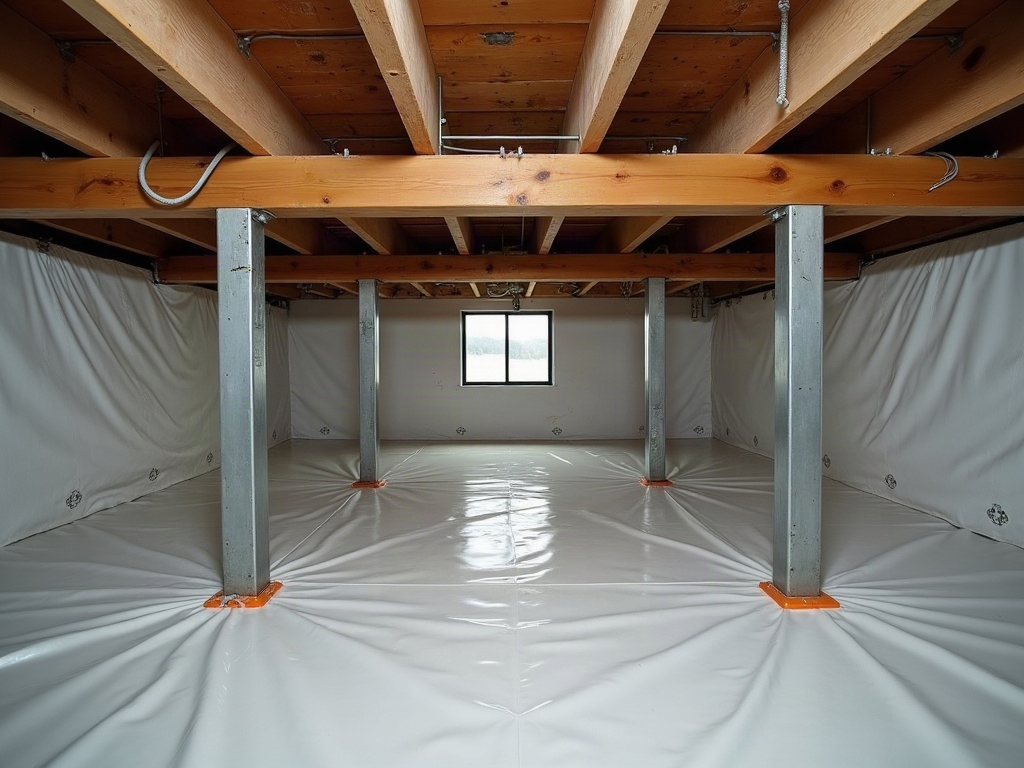
If you live in Macon, you have probably noticed it. A spot in the hallway that feels soft when you step on it. A musty smell that drifts up from the vents on a wet summer day. Maybe a door that used to close fine and now sticks. These are not random problems. In central Georgia, they usually start down in the crawl space, and they tend to get worse before anyone looks.
The climate here does not help. Macon summers are humid, and that moisture finds its way into vented crawl spaces and sits there. Our soils range from heavy red clay to loose sandy pockets, and both move water in ways that wear on a home over time. Older houses near the Oconee River deal with even more. If the ground under your house stays damp, the wood above it pays the price.
Why Macon Crawl Spaces Stay Wet
Most older homes in and around Macon were built with vented crawl spaces. The idea was that open vents would let air flow through and keep things dry. In a dry climate that might work. In central Georgia it often does the opposite. Warm, humid outside air comes through the vents, hits the cooler surfaces under your floor, and condenses. Now you have water droplets forming on your joists and ductwork, day after day.
Red clay is the other half of the story. Clay holds water and drains slowly. After a heavy rain, that moisture sits against your foundation and seeps into the crawl space. Sandy soil has the opposite issue. It shifts and settles, which can leave support posts standing on ground that no longer holds them steady.
Put those two things together and you get the exact conditions that lead to rot, mold, and sagging floors. The crawl space is dark, closed off, and easy to ignore. That is why the damage usually goes unnoticed until the floor starts to feel it.
Signs Your Floors Are Telling You Something
You do not need to crawl under the house to spot trouble. The signals show up where you live.
Soft or bouncy floors are the clearest one. When a floor flexes as you walk across it, the support underneath has weakened. Rotted posts, damaged beams, or joists that have taken on moisture can all cause that bounce. A musty or earthy smell inside the house is another. That odor is often mold or mildew growing on damp wood below.
Watch for doors and windows that stick, gaps opening along baseboards, or small cracks in drywall. When the structure under the floor settles unevenly, the frame of the house shifts with it. Higher humidity inside, especially during the summer, can also point back to a wet crawl space feeding moist air upward.
If you see any of these, it is worth getting the space looked at. The sooner the cause is found, the smaller the repair tends to be.
What Crawl Space Repair Actually Involves
Good crawl space repair in Macon starts with finding out why the space is wet, not just drying it out for a week. The work depends on what the inspection turns up, but it usually falls into a few areas.
First comes the structural side. Rotted or sinking support posts get replaced, often with adjustable steel posts set on solid footings. Damaged beams and joists are reinforced or replaced so the floor stops flexing. This is the part that brings back the firm, solid feel underfoot.
Next is moisture control. Many homes benefit from encapsulation, where a heavy vapor barrier is sealed across the ground and up the walls. This blocks ground moisture from rising into the space. In a lot of Macon homes, sealing the vents and adding a dehumidifier keeps the humid outside air from feeding the problem in the first place.
Drainage matters too. If water is pooling under the house, a drainage system and sump pump may be needed to move it away. This overlaps with Basement Waterproofing methods, since both focus on keeping water out of the lowest part of the home. The right mix depends on your soil, your grading, and how water moves across your lot.
Why Local Conditions Change the Plan
A crawl space fix that works in a dry region will not hold up here. Macon's humidity means moisture control is almost always part of the job. A home sitting on red clay may need better drainage and grading because the soil holds water against the foundation. A home on sandy ground may need more attention to footings and support posts because the soil settles.
Homes near the Oconee River sit in areas that take on more groundwater, so those crawl spaces often need stronger moisture defenses. There is no single answer. The repair that lasts is the one matched to the actual conditions under your specific house. That is why an honest inspection comes first, before any work is quoted.
Waiting Costs More
Crawl space problems do not level off. A little rot spreads. A damp space grows more mold. A post that is slightly loose today keeps settling until the floor above it dips. Every season of Macon humidity adds to the load.
Catching it early usually means replacing a post or two and adding moisture control. Waiting can mean rebuilding beams, replacing large sections of subfloor, and dealing with mold that has spread through the framing. The structure of your home rests on what is happening down there. Keeping it dry and supported protects the whole house.
If your floors feel soft, your air smells musty, or you just have not looked under the house in years, have it checked. Call Trench Guys at (478) 707-7799 and we will take a look at what is really going on under your Macon home.
Frequently asked questions
How do I know if my crawl space needs repair or just cleaning?
Cleaning handles surface debris, but if you have soft floors, a musty smell, standing water, or visible rot on the wood, those point to a repair. The only way to know for sure is an inspection that finds the moisture source and checks the support posts and framing.
Is crawl space encapsulation worth it in Macon's humid climate?
For many Macon homes, yes. Our humid summers push moist air into vented crawl spaces where it condenses on the wood. Sealing the space with a vapor barrier and controlling humidity stops that cycle, which protects the structure and can improve the air inside your home.
How long does crawl space repair usually take?
It depends on the scope. Replacing a few support posts and adding moisture control may take a day or two. A full encapsulation with drainage and structural reinforcement takes longer. After an inspection we can give you a clear timeline for your specific home.